Lekker puh!

Serves you right! [Dutch phrase of the week] Iconspeaker_3

Lekkerpuh
It’s good to know what "lekker puh" means, but mind that it is used mostly by children. It is often accompanied by making a face and sticking the tongue out. The expression is used teasingly, after outsmarting somebody, to rub something in, when you think somebody got what he/she deserved etc. The translation of "serves you right" doesn’t cover it completely, but hopefully you get the gist. Also see some related Expressions.

Examples:
– "Ik ga morgen naar de Efteling en jij niet, lekker puh!" 
("I’m going to the Efteling tomorrow and you are not, ha ha ha!!" The "Efteling" is a popular (fairy tale) fun park.)

– "Ik heb van mamma het laatste snoepje gekregen… Lekker puh!" 
("Mom gave me the last piece of candy… Serves you right!")

– "Jij lachte mij gisteren uit maar nu heb je zelf een puistje, lekker puh!" 
("You laughed at me yesterday, but now you have a pimple yourself, serves you right!")

Expressions:
– "Lekker voor je!": a bit like "lekker puh", but more a cynical "good for you!".
– "(Het is) je verdiende loon!": this is what you deserve! Lit. "it is your deserved wage".

Vergadering

meeting [noun] [de ver-ga-de-ring, de ver-ga-de-ring-en] Iconspeaker_3

Vergadering
In Dutch office life it is common to have meetings. The associated verb is "vergaderen": the act of sitting together and discussing issues. A "vergadering" in the Netherlands can last very long. This is because we like to reach a compromise consensus and everybody gets their say (and decisions are not always made). See the Extra for some "vergadering" lingo.

Examples:
– "Ik moet nu ophangen, ik heb een vergadering over 5 minuten." 
("I have to hang up now, I have a meeting in 5 minutes.")

– "De ene na de andere vergadering, ik word er gek van!" 
("One meeting after another, it is driving me crazy!")

– "Het is de bedoeling om de voortgang van het project te bespreken, maar ik kom helemaal niet aan werken toe door al die vergaderingen!"
("The intent is to discuss the progress of the project, but I hardly get to do some work due to all these meetings!")

Related words:
– Vergaderen: to formally meet to discuss something [verb] [vergaderde, vergaderd].
– Agenda: agenda [noun] [de agenda, de agenda’s]. This word is also used for a (pocket) calendar, hence Dutch people often say they have to check their "agenda".
– Agendapunt: topic on the agenda [noun] [het punt, de punten].
– Voorzitter: chairman [noun] [de voorzitter, de voorzitters].
– Discussiëren: to argue, to discuss [verb] [discussieerde, gediscussieerd].
– Bespreken: to discuss, to talk about [verb] [besprak, besproken].

Extra:
A common topic on a meeting agenda is "WVTTK", short for "wat verder ter tafel komt", or: "what else may come to the table" (like "any other business"). This is an opportunity to bring a new topic to discuss to the table but it may only prolong the meeting. It is encouraged not to include this topic but to formally decide on the meetings agenda at the beginning of the meeting. This is done during the meeting topic "vaststelling agenda". At the end of a meeting it is common to give all attendants one more
chance to ask a question about something that has not been discussed
yet. This is called the "rondvraag" (and the chairman will go "round
the table" to see if anybody has a question ("vraag")). Again this might lead to more discussion and a longer meeting 🙂

Neus

nose [noun] [de neus, de neu-zen] Iconspeaker_3

Neus
Not a very exciting word, however there are many (many many) expressions involving the "neus", see the Examples and Expressions below. The word "neus" is also often used to denote the point or tip of an object, see the Examples. And there is also the verb "neuzen": to browse, nose about/round.

Examples:
– "Pardon, ik moet even mijn neus snuiten." 
("Excuse me, I have to blow my nose.")

– "Ja dag! Dat ga ik jou niet aan je neus hangen!" 
("Yeah right! As if I would ever tell you about that! / That is none of your business!" Lit. "I am not going to hang that to your nose!")

– "Wat is er?" – "O niks, alleen een beetje een bloedneus." 
("What’s wrong?" – "Oh nothing, just a bit of a nosebleed." Lit. "blood nose.")

– "Ik heb slecht geslapen, de hele nacht een verstopte neus!" 
("I slept really badly, all night long a stuffy nose!")

– "Sorry dat ik te laat ben, de trein reed vlak voor mijn neus weg!" 
("My apologies for being late, I just missed the train!" Lit. "the train took off right in front of my nose".)

– "Draag je wel eens schoenen met stalen neuzen?" 
("Do you ever wear steel-capped shoes?")

– "Zie ik daar een scheur?" – "Waar?" – "Daar bij de neus van het vliegtuig…" 
("Is that a crack up there?" – "Where?" – "There, near the nose of the plane…")

– "Stop eens met in je neus te peuteren, dat is niet netjes!"
("Stop picking your nose, it’s not decent!")

Expressions:
– "Het neusje van de zalm": the cream of the crop, the crème de la crème.
– "Je neus in andermans zaken steken": to be nosy, to pry, to interfere with somebody else’s business.
– "Ergens een neus voor hebben": to have a good eye for something.
– "Iemand bij de neus hebben": to fool somebody.
– "Het komt mijn neus uit": I’m fed up (with it).
– "Doen alsof je neus bloedt": to pretend you are innocent / you don’t know what happened.
– "Een frisse neus halen": to get a breath of fresh air. Lit. "to get a fresh nose".
– "Met je neus kijken": to not look properly / to look for something with your eyes closed. Particularly applicable to men 😉
– "Je staat er met je neus bovenop": it’s right in front of you. Lit. "you are standing on it with your nose".
– "Iemand met zijn neus op de feiten drukken": to make someone face the facts. Lit. "to press somebody’s nose on the facts."
– "Iemand iets onder zijn neus wrijven": to rub someone’s nose in it, to accuse somebody of something.
– "Dat is een wassen neus": that is just for show / that is fake. A "wassen neus" is a "wax nose".

And then there are many more!

Related words:
– Reukorgaan: olfactory / nasal organ [noun] [het orgaan, de organen].
– Ruiken: to smell [verb] [rook, geroken].
Snuiten: to blow one’s nose [verb] [snoot, gesnoten].
– Neuzen: to browse, nose around/about [verb] [neusde, geneusd]. You will also here "rondneuzen": to prowl / nose about.

Example:
– "Ik vind het heerlijk om rond te neuzen in tweedehands-platenwinkels."
("I really enjoy nosing around in second-hand record stores.")

Boef

scoundrel, rascal, villain [noun] [de boef, de boe-ven] Iconspeaker_3

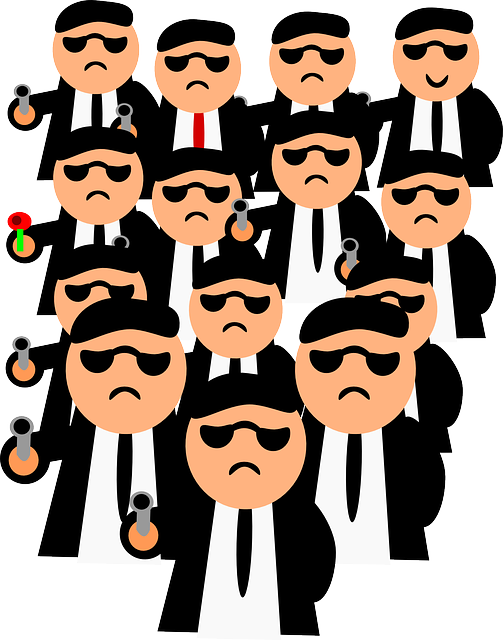
Mannen met pistolenAnother word for “boef” is “schurk”. The word “boef” however can also take on the meaning of “lawbreaker”. In both translations it is a bit of an old-fashioned word but there is an expression you should know about (see below). Also, the diminutive “boefje” can be used for naughty, mischievous children.

Examples:
– “De Disneyfiguur “Black Pete” heet in het Nederlands “Boris Boef”.” 
(“The Disney character “Black Pete” is called “Boris Boef” in Dutch.”)

– “Ik vraag me af wat er later van het buurjongetje terecht zal komen; hij is nu al een echt boefje.”
(“I wonder what will later become of the boy next-door; he is already quite a scamp.”)

Expressions:
– “Ga (toch) boeven vangen!”: literally “go catch lawbreakers/thieves/etc.”, this expression can be used by people who are fined by the police for a (in their opinion) trivial violation of the law, and who feel that the police should focus on the real bad guys. The ministry of Justice is now actively asking the general public for help with finding wanted criminals on the web site www.boevenvangen.nl .

Related words:
– Schurk: scoundrel, villain [noun] [de schurk, de schurken]. See also DWOTD Schurkenstaat.
Politie: police [noun] [de politie, <no plural>].

Heleboel

a (whole) lot, (quite) a lot, lots [noun] [de heleboel, no plural] Iconspeaker_3

Berg_geld
"Heleboel" is composed of "hele" (from "heel": whole) and "boel" which can have several meanings: things, matters and even "mess". In this case it means "lots" or "a lot". "Heleboel" is mostly used in conjunction with a noun, see the Examples.

Examples:
– "Mijn dochtertje stelt een heleboel vragen." 
("My (little) daughter asks a lot of questions.")

– "Er zijn een heleboel mensen met een heleboel geld." 
("There are a lot of people with a whole lot of money.")

– " ‘Heleboel’ is een vreemd woord, vind je niet?"- "Ach, er zijn een heleboel vreemde woorden!" 
(" ‘Heleboel’ is a strange word, don’t you think?" – "Oh well, there are lots of strange words!")

– "Kun je zien hoeveel mensen er zijn?" – "Nee, maar het zijn er een heleboel!" 
("Can you see how many people there are?" – "No, but there are quite a lot!") 

Related words:
– Heel: whole [adverb/adjective].
– Boel: things, matters / lot, lots [noun] [de boel, no plural].

Example:
– "We laten de boel de boel!"
("Let’s leave things as they are!")

– Veel: much, many, a lot [adverb/indefinite pronoun/cardinal].
– Hoop: heap, pile [noun] [de hoop, de hopen].
– Berg: load, heap, mountain [noun] [de berg, de bergen].