
scoundrel, rascal, villain [noun] [de boef, de boe-ven] 
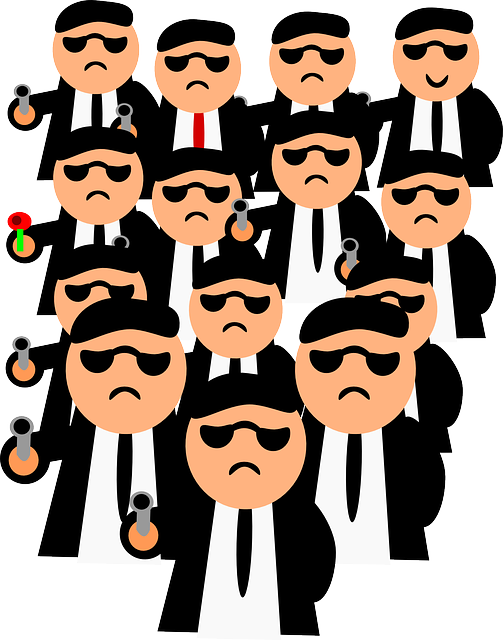 Another word for “boef” is “schurk”. The word “boef” however can also take on the meaning of “lawbreaker”. In both translations it is a bit of an old-fashioned word but there is an expression you should know about (see below). Also, the diminutive “boefje” can be used for naughty, mischievous children.
Examples:
– “De Disneyfiguur “Black Pete” heet in het Nederlands “Boris Boef”.”
(“The Disney character “Black Pete” is called “Boris Boef” in Dutch.”)
– “Ik vraag me af wat er later van het buurjongetje terecht zal komen; hij is nu al een echt boefje.”
(“I wonder what will later become of the boy next-door; he is already quite a scamp.”)
Expressions:
– “Ga (toch) boeven vangen!”: literally “go catch lawbreakers/thieves/etc.”, this expression can be used by people who are fined by the police for a (in their opinion) trivial violation of the law, and who feel that the police should focus on the real bad guys. The ministry of Justice is now actively asking the general public for help with finding wanted criminals on the web site www.boevenvangen.nl .
Related words:
– Schurk: scoundrel, villain [noun] [de schurk, de schurken]. See also DWOTD Schurkenstaat.
– Politie: police [noun] [de politie, <no plural>].
 “Dat komt goed uit” is literally translated as “that comes good out” 😉 The verb in the phrase is “uitkomen” which has several meanings, such as “to end up, to lead to, to come out, to be disclosed”. “Dat komt goed uit” is used when two events luckily coincide, making things easier for the people involved. Since it is often used as a reply to a proposition, people might add “me”: “dat komt me goed uit”, or “that suits me fine” or “that is very convenient for me”.

